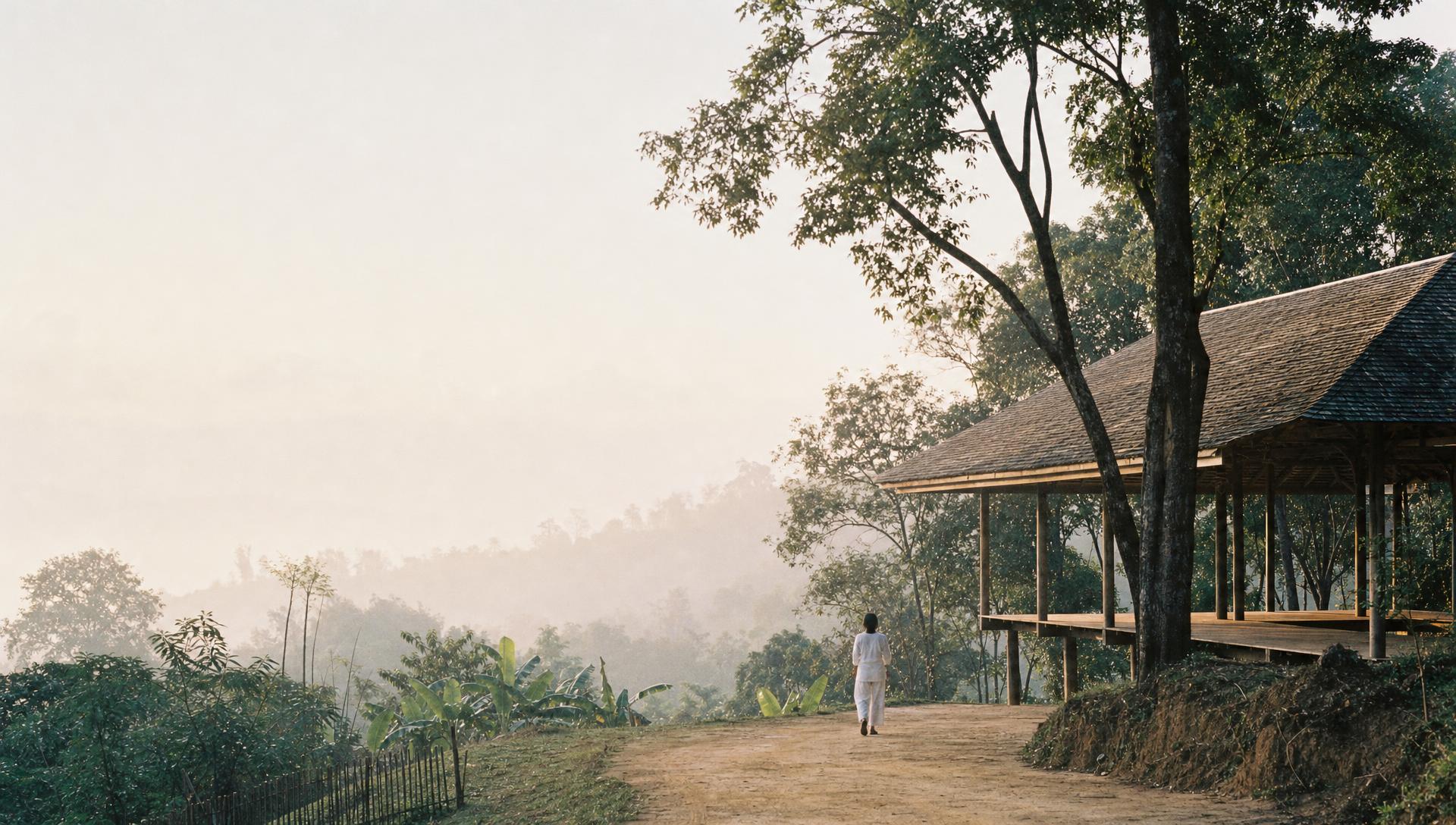
What is vipassana? Meaning, origin and how to begin
What is vipassana? The meaning of the word, where the practice comes from, and how to begin
What is vipassana? It is training the mind to see body and mind as they really are, not as we would like them to be. You stay mindful of what is happening now, such as the breath, sensations in the body and thoughts, until you see for yourself that everything arises and passes away, cannot be ordered about, and is not a lasting self. Vipassana is a Pali word, usually translated into English as insight, or insight meditation. This page explains what the word means and how to say it, what insight sees, where the practice comes from in the Buddha's teaching, how it differs from calm, and how to begin.
What does vipassana mean, and how do you pronounce it?
The word comes from the Pali vipassanā, made of two parts: vi and passanā. Passanā comes from the verb passati, 'to see'. The prefix vi- adds the sense of 'clearly', 'distinctly' or 'in different ways'. Put together, vipassana means clear seeing, or seeing distinctly. The commentaries explain it as seeing things in different ways: as impermanent, as suffering and as not-self. In Sanskrit the same word is vipaśyanā.
How to pronounce vipassana: in English it is usually said vi-PAS-sa-na, four syllables, with the stress on the second. In Pali the double s is held a little longer, and the final ā is a long 'aa' sound. In Thai it is read วิ-ปัด-สะ-นา. Most English books either keep the Pali word as it is or translate it as insight or insight meditation.
Bhāvanā means bringing into being, cultivating. So vipassanā-bhāvanā is the cultivation of insight, wisdom grown a little at a time. The related term vipassana meditation (vipassanā-kammaṭṭhāna) means meditation work whose goal is clear seeing. In everyday speech the two are used for the same thing.
What insight meditation sees: the three characteristics
So what is vipassana meant to show you? In short, the three characteristics of all conditioned things: impermanence (anicca), suffering or unsatisfactoriness (dukkha), and not-self (anattā). This seeing is not memorising or reasoning. It is seeing these marks while they are actually happening in your own body and mind. One of the clearest suttas on this is the Discourse on the Characteristic of Not-Self, where the Buddha questions his first disciples step by step.
Taṁ kiṁ maññatha, bhikkhave,
rūpaṁ niccaṁ vā aniccaṁ vā”ti?
“Aniccaṁ, bhante”.
“Yaṁ panāniccaṁ dukkhaṁ vā taṁ sukhaṁ vā”ti?
“Dukkhaṁ, bhante”.
“Yaṁ panāniccaṁ dukkhaṁ vipariṇāmadhammaṁ, kallaṁ nu taṁ samanupassituṁ:
‘etaṁ mama, esohamasmi, eso me attā’”ti?
“No hetaṁ, bhante”.'What do you think, mendicants: is form permanent or impermanent?' 'Impermanent, sir.' 'And is what is impermanent suffering or happiness?' 'Suffering, sir.' 'And is it right to regard what is impermanent, suffering and bound to change like this: this is mine, this is what I am, this is my self?' 'No, sir.'
SN 22.59
The Buddha asks the same of feeling, perception, choices and consciousness, which together with form make the five aggregates. So what vipassana looks at is nothing far away. It is the body and mind we have at every moment. Say your knee aches after a long sit. Looking closely, you find the pain is not one fixed lump: it grows, fades, moves and changes texture. The dislike that follows it also comes and goes. Seeing this is what slowly loosens the sense of 'my pain' or 'the me who hurts'.
In the teaching, the object of insight is nāma and rūpa, mind and matter. Mind means things like feeling and thinking; matter means things like hardness, heat and movement. You watch what is actually happening at that moment, not an image the mind has built. The page on the objects of insight covers this in detail.
Where it comes from: the Satipatthana Sutta
Vipassana goes back to the Buddha's teaching about 2,500 years ago. In the suttas the word vipassanā usually appears paired with samatha, calm. The instructions for how to practise are in the Satipatthana Sutta (MN 10) and its longer version (DN 22). They teach four bases for mindfulness: body, feelings, mind and mental phenomena. Each is watched keenly, with clear awareness and mindfulness, and after every exercise the text repeats that the meditator watches it arise and pass away. That refrain is the core of vipassana.
samudayadhammānupassī vā kāyasmiṁ viharati,
vayadhammānupassī vā kāyasmiṁ viharati,
samudayavayadhammānupassī vā kāyasmiṁ viharati.They meditate watching the body's nature to arise, or its nature to pass away, or its nature both to arise and to pass away.
MN 10
Today we often talk about vipassana as if it were one particular technique. In the suttas, though, vipassana is a quality of mind that this kind of mindfulness brings about, not the name of a method. The methods taught today, such as following the breath, noting the rise and fall of the abdomen, or walking meditation, are all ways of bringing the mind to one of these four bases so that wisdom can see things arise and pass.
Its place in the path: virtue, stillness, wisdom
The Buddha's teaching can be summed up as the three trainings: virtue (sīla), stillness of mind (samādhi) and wisdom (paññā). Virtue keeps life free of remorse, stillness steadies the mind enough to look clearly, and wisdom is understanding things as they are. In this frame, vipassana is the wisdom part. But wisdom does not grow on its own. It rests on virtue and stillness, which is why people who start meditating usually keep the five or eight precepts as well, so that nothing is nagging at the mind when they sit down.
Later texts such as Buddhaghosa's Visuddhimagga set out this path in more detail as seven purifications, and describe the knowledges that arise as insight matures, which later meditation manuals count as the 16 stages of insight (ñāṇa, knowledge that sees directly). A beginner does not need to learn the series, only to know that practice has a direction and is not going round in circles.
Calm and insight working together
Samatha is training the mind to be calm and settled on a single object; vipassana is training it to see clearly what is happening. In the suttas the two are not rivals. In the Book of the Twos (AN 2.31) the Buddha calls them two things that share in knowledge: calm, when developed, develops the mind and gives up greed; insight, when developed, develops wisdom and gives up ignorance.
In the Yuganaddha Sutta (AN 4.170), Venerable Ānanda describes four ways practitioners go: insight with calm leading, calm with insight leading, the two yoked together, and the case of a mind once shaken by restlessness about the teaching that settles and becomes still within. Each way can lead to the path. There is a full comparison on the page samatha vs vipassana.
What vipassana is not
People who ask 'what is vipassana?' often come with a few mistaken ideas. These are the common ones.
- Not emptying the mind. Thoughts still come. The difference is that you know you are thinking instead of being lost in it.
- Not a trance in which nothing is felt. Insight is alert, open awareness.
- Not seeing lights or visions, or floating in bliss. Such things can happen, but if you cling to them they block the way. The texts call them the imperfections of insight.
- Not thinking philosophically about impermanence. Understanding by thought helps, but vipassana is direct seeing while things happen.
- Not magic. It brings no luck or special powers, and nobody can guarantee a result by a set date.
- Not the name of one course or organisation. Some courses carry the word, but it is far older and comes from the Buddha's own teaching.
How to begin insight meditation at home
The best answer to 'what is vipassana?' comes from trying it, and you do not have to wait for a retreat to start. Here is a simple outline for beginners; the step-by-step guide is on how to do vipassana.
- Keep the five precepts on the days you practise. A mind without regrets settles more easily.
- Pick the same time each day, such as early morning before work, and a place quiet enough to sit undisturbed.
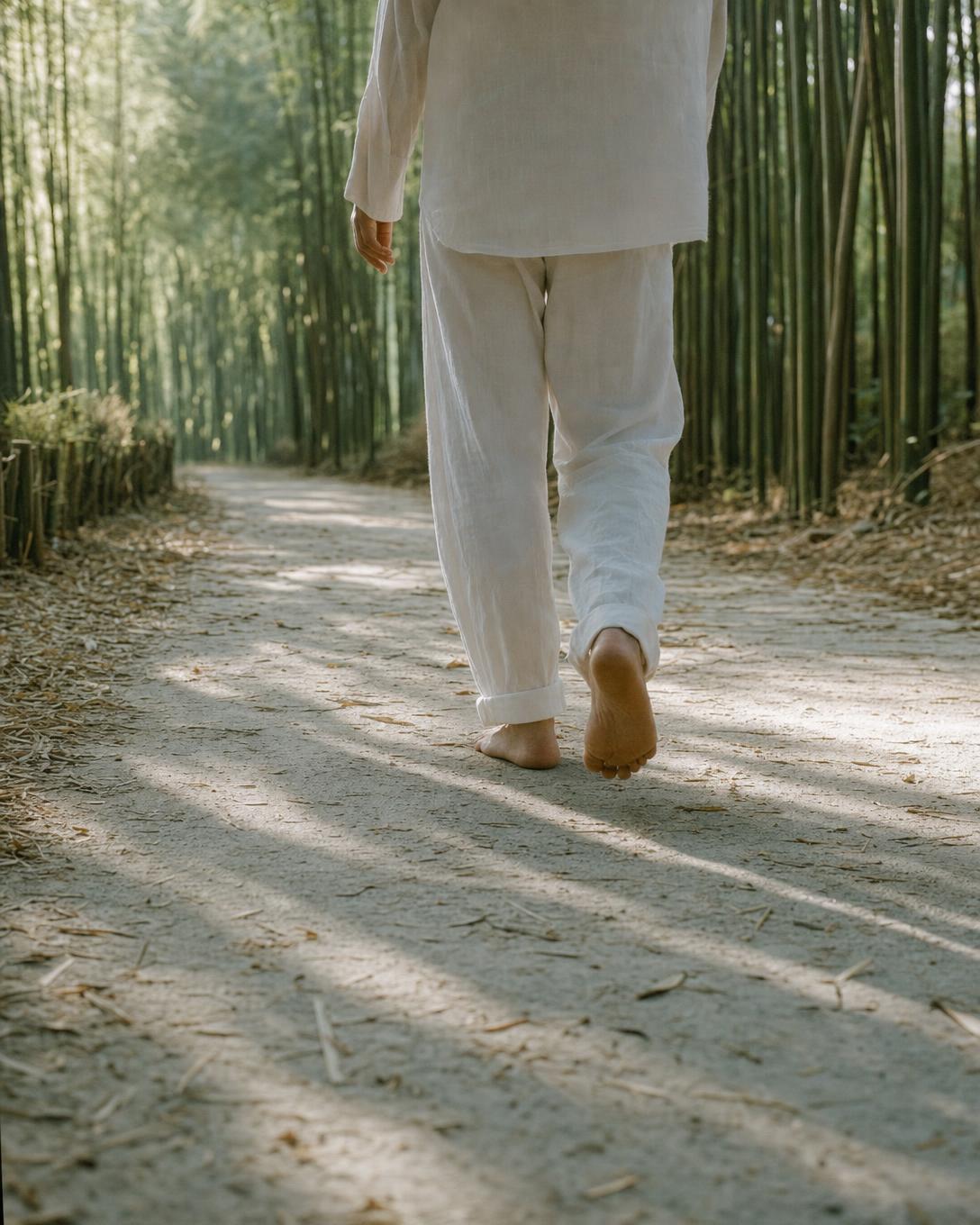
- Begin with about ten minutes of walking meditation, feeling each lift, move and placing of the foot.
- Then sit for about fifteen minutes, with the rise and fall of the abdomen or the breath as your main object. Many teachers use short mental notes, as explained under noting meditation.
- When something else becomes stronger, like a sound, a pain or a thought, know it as it is, notice how it changes, then return to the main object.
- In daily life, stay aware during simple tasks such as washing up, showering or walking to work. Continuity of mindfulness matters more than long sits.
A word of care
Twenty or thirty minutes a day suits most people. Intensive practice is not a treatment for mental illness; anyone with a history of serious mental illness should talk to a doctor and an experienced teacher first. And do not use the stages of insight to grade yourself. Real progress shows as less greed, anger and delusion in everyday life.
In short: a vipassana definition
So what is vipassana? It is clear seeing: wisdom born from keeping mindful of body and mind in the present, until you see them arise and pass, follow causes rather than commands, and belong to no self. As this becomes clearer, clinging loosens and the mind grows freer, a little at a time.
Based on: Anattalakkhaṇa Sutta (SN 22.59) · Satipaṭṭhāna Sutta (MN 10) · The two things that share in knowledge (AN 2.31) · Yuganaddha Sutta (AN 4.170) · Visuddhimagga, by Buddhaghosa
Read next
Vipassana meditation: meaning, practice and benefits
What vipassana meditation is, what it trains, what it observes, and the benefits the Buddha described

Samatha vs vipassana: calm and insight compared
Samatha calms the mind and vipassana sees clearly: a point-by-point comparison from the suttas, and how to use the two together
How to do vipassana at home: a step-by-step guide
How to do vipassana at home, step by step: preparing, walking, sitting and noting, and a simple plan for your first week.