
Chanting
Pali chants in Thai letters, with meanings
Buddhist Chanting at Home: Daily Chants with Meaning
Buddhist chanting for every day, in Pali with the meaning: the bow (Arahaṁ), the homage, the three refuges, the five precepts and the Itipi so, for morning, evening and holy days

Buddham Saranam Gacchami: the Three Refuges with Meaning
Buddham saranam gacchami: the Pali chant of the three refuges from the Khuddakapāṭha, with the meaning of each line and what going for refuge means
The Jinapañjara Chant: all 15 verses with reading and translation
The full Jinapañjara chant, all 15 verses in Pali with reading and a translation of each verse, with its origin, its meaning and how to chant it once, 3 or 9 times

The Loving-Kindness Chant for Yourself, Others and All Beings, with Meaning
The loving-kindness chant in Pali with its meaning: for yourself, for others and for all beings (sabbe sattā), followed by compassion, gladness and equanimity, and how to spread loving-kindness to those you may have wronged

The Bāhuṁ Chant: the eight Jayamaṅgala verses with translation and meaning
The Bāhuṁ chant, the eight Jayamaṅgala verses, in Pali with reading and translation, the story behind each of the Buddha's victories, and how to chant it
The Itipiso Chant with Translation: the Qualities of the Buddha, Dhamma and Saṅgha
The Itipiso chant in Pali with reading and translation: the Buddha's 9 qualities, the Dhamma's 6 and the Saṅgha's 9, its source in the suttas, and chanting it 3, 9 or 108 times

The Five Precepts: What They Are and How to Take Them
The five precepts are the five training rules of Buddhists: no killing, stealing, sexual misconduct, lying or intoxicants. Here with the request, the words of undertaking and the Pali with meaning, line by line

Kruat Nam: the merit-dedication chant, short and full, with translation and how to pour the water
The kruat nam chant, short and full, in Pali with reading and translation, how to pour the water after giving alms or while monks chant, and dedicating merit to the departed
The Eight Precepts: What They Are, the Request and the Uposatha, with Meaning
The eight precepts are eight training rules kept on holy days or during a meditation retreat. Here with the Pali request and the meaning of each precept, how to take them at home, and leaving them
Requesting Precepts, a Sermon and Protective Chanting
The Pali words for asking monks for the precepts, for a sermon and for protective chanting

Offering to the Saṅgha
The Pali words for offering food and requisites to the Saṅgha, the general form and the form on behalf of the dead
The Abhidhamma Chant: the Seven Books
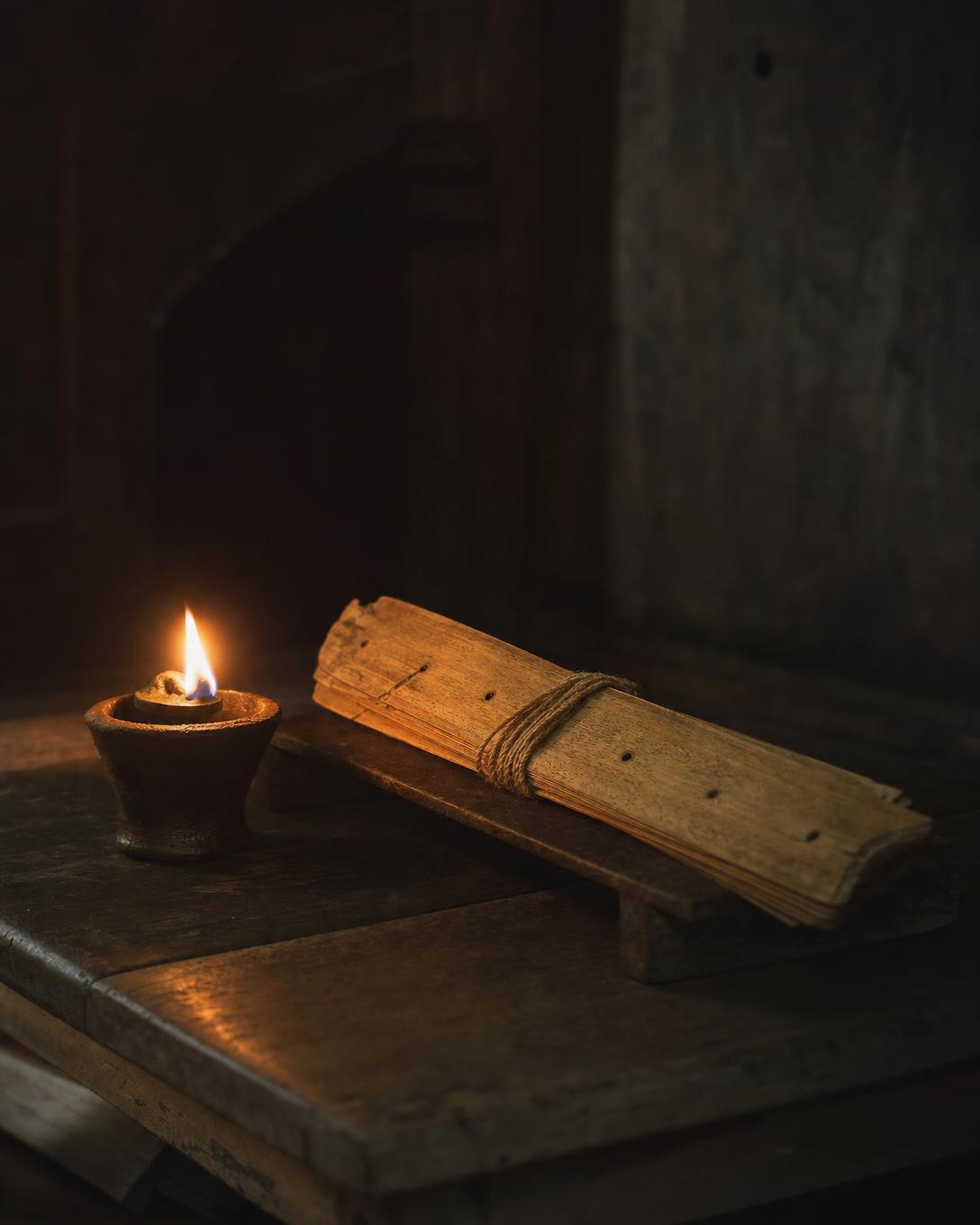
The Abhidhamma chant heard at funerals: the opening passage of each of the seven Abhidhamma books, in Pali with a new translation
The Paṁsukūla Verses for the Dead and the Living
The paṁsukūla verses for the dead and for the living, on the impermanence of life, with meanings
Request for a Meditation Subject (Kammatthana Request)
A request for a meditation subject: the Pali words said before a period of practice, from offering yourself to the Buddha to asking for a subject
Vipassanabhumi Patha: the Chant of the Six Grounds
The vipassanabhumi patha: a Pali chant that runs through the six grounds of insight, from the five aggregates to dependent origination, with its meaning