
Teachings
Key teachings, explained simply
The Four Noble Truths: Meaning, List and Everyday Examples
The four noble truths, suffering, its origin, its end and the path, explained one by one with the Pali, a translation and everyday examples

Vesak: the Buddha's birth, awakening and final passing
Vesak is the full moon day that remembers the Buddha's birth, awakening and final passing: what it means, how it is kept, and a reflection

What is Theravada Buddhism? The teaching of the elders
What is Theravada Buddhism? The meaning of the name, its scriptures, core teachings, monastic and lay life, practice, where it is found and how it differs from Mahayana
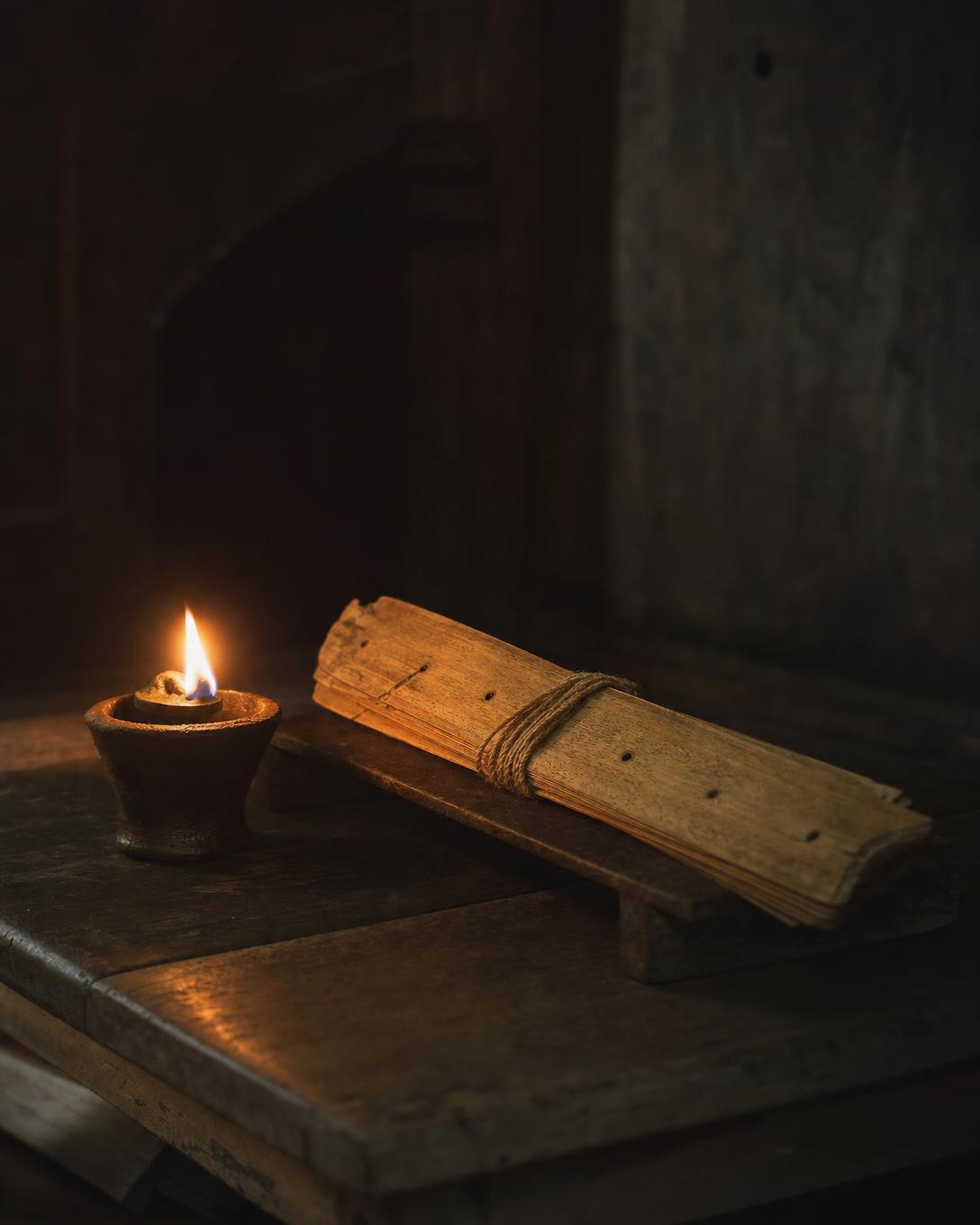
What is the Tipitaka? The three baskets of the Pali Canon
What is the Tipitaka? The Pali Canon's three baskets, Vinaya, Suttas and Abhidhamma, how the texts were kept, and how to start reading

What are the five aggregates? Form, feeling, perception, choices, consciousness
The five aggregates are the five groups that make up body and mind, explained simply one by one, with everyday examples and the teaching of the suttas

The Brahmaviharas: Loving-Kindness, Compassion, Joy, Equanimity
The brahmaviharas are loving-kindness, compassion, joy and equanimity: their meaning, everyday examples, how to practise them and their benefits in the suttas

What Are the Four Iddhipada? Chanda, Viriya, Citta, Vimamsa
The four iddhipada are four qualities that lead to success: chanda, viriya, citta and vimamsa, with the Navakovada's wording, the Pali with a translation, and everyday examples
Karma in Buddhism: what kamma is and how it works
Karma in Buddhism is intentional action and its results: what the Buddha taught about kamma, why it is not fate, and how it shapes rebirth

What is dukkha? Meaning, the three kinds and how it ends
What is dukkha? The meaning of the Buddha's word for suffering, its three kinds, and how it comes to an end

Anatta: the meaning of not-self in the Buddha's teaching
Anatta, not-self: what the word means, the Buddha's argument in SN 22.59, what it does not mean, and how it is seen in practice
What is nibbana? Nirvana in Buddhism, from the suttas
What is nibbana? The meaning of the word, how the suttas describe it, its two elements, and the path that leads there
The Noble Eightfold Path: The Eight Factors Explained
The noble eightfold path, the Buddha's middle way to the end of suffering, explained factor by factor with everyday examples

What Are the Four Sangahavatthu? The Four, With Everyday Examples
The four sangahavatthu are the ways of holding people together: giving, kind words, helpful conduct and equal treatment, with the Navakovada's wording, the Pali with a translation, and examples
The Six Directions in the Navakovada: What They Are and the Duties of Each
The six directions in the Navakovada in full, with explanations: parents, teachers, wife and children, friends, those who work for us, and ascetics and brahmins, with the duties both ways, from the Sigālaka Sutta
Dependent Origination: The 12 Links, With the Pali Chant
Dependent origination, the twelve links by which suffering arises and ceases, explained one by one, with the Pali chant forward and in reverse
The five hindrances: what they are and how to overcome each one
The five hindrances are five states that keep the mind from calm and wisdom: their meaning in the Navakovada, examples, the similes in the suttas and a remedy for each

The Three Marks of Existence: Anicca, Dukkha and Anatta
The three marks of existence, impermanence, unsatisfactoriness and not-self, explained with their sources in the suttas and everyday examples
What Are the Four Gharavasa Dhamma? Sacca, Dama, Khanti, Caga in Daily Life
The four gharavasa dhamma are four qualities for householders: sacca, dama, khanti and caga, with the Navakovada's wording, the Pali from the Āḷavaka Sutta with a translation, and examples
What are the three trainings? Ethics, concentration and wisdom, with examples
The three trainings (tisikkha) are three areas of self-training, ethics, concentration and wisdom: their meaning in the suttas and the Navakovada, their link with the eightfold path, and examples of conduct in daily life
The Eight Worldly Conditions: what they are, the list, and how to keep the mind steady
The eight worldly conditions are gain and loss, fame and disgrace, blame and praise, pleasure and pain: what everyone meets, and how not to let them take over the mind
The 'Heart of a Rich Man' (u ā ka sa): the Buddha's advice for a good life now
Diligence, protecting what you earn, good friends and balanced living
Seven Qualities of a Good Person (Sappurisa Dhamma)
Knowing the teaching, the meaning, oneself, moderation, time, groups and people
Grounds for Making Merit (Puññakiriyavatthu)
Giving, ethics and meditation, as the Buddha taught, and the list of ten from the commentaries
The Ten Wholesome Ways of Action
Good conduct of body, speech and mind, from the discourse to the people of Sālā
The Four Kinds of Bias (Agati)
Bias from favour, hatred, delusion and fear, which lead to wrong decisions
Pacchima Ovāda: the Buddha's last words
The last teaching before the Buddha's final passing, from the Mahāparinibbāna Sutta
Four foundations of mindfulness (satipatthana) with examples
The four foundations of mindfulness: every practice in the Satipatthana Sutta, the refrain that runs through them, and everyday examples of each.
The 16 Stages of Insight (Vipassana Nana)
The 16 stages of insight: the knowledges that unfold in vipassana practice, with the nine insight knowledges
Objects of Insight: the Six Grounds of Vipassana
Objects of insight: the six groups of teaching that vipassana looks at, from the five aggregates to dependent origination
The Ten Imperfections of Insight (Vipassanupakkilesa)
The ten imperfections of insight: good experiences in vipassana practice that can be mistaken for the goal
Visuddhimagga and the Seven Purifications
The seven purifications of the Visuddhimagga, passed on one to the next like relay chariots, from conduct to liberating knowledge
Vipassanadhura: the Two Duties of a Monk
Vipassanadhura is the duty of insight meditation, one of the two duties of a monk, alongside ganthadhura, the duty of study
The Four Kinds of Grasping (Upadana)
Grasping at sense pleasures, views, rules and rituals, and theories of a self
Ovāda Pāṭimokkha: the heart of the Buddhas' teaching
Three Dhammapada verses that sum up the teaching of all the Buddhas, with the meaning