Vipassana retreat: what to expect from a 7- or 10-day course
What a vipassana retreat is like: where the seven days come from, the usual formats, a typical day, the rules, what to bring and the hard parts.
A vipassana retreat is a period of days set aside for continuous mindfulness practice, usually in silence, on a set schedule and with a teacher's guidance. Many people have heard that seven days of practice is enough to bring results. That idea comes from a real passage in the suttas, but the passage carries a condition that is often left out. This page explains honestly where the seven days come from, then describes what a vipassana retreat is generally like: the common formats, a typical day, the rules, what to bring, the hard parts and life afterwards. It recommends no particular place, since each has its own rules, schedule and way of teaching; read the organiser's own information before you apply.
Where the seven days come from
Near the end of the Satipaṭṭhāna Sutta (MN 10) and its longer version in the Long Discourses (DN 22), the Buddha says that whoever develops the four foundations of mindfulness in this way for seven years may expect one of two fruits. He then shortens the time step by step: six years, five, down to one year; then seven months, six, down to half a month; and finally seven days. The two fruits are final knowledge (aññā), meaning arahantship in this very life, or, if some fuel for clinging remains, non-return (anāgāmitā), the stage of one who is not reborn in the sense world again. That is the source of the 'seven days'.
Tiṭṭhatu, bhikkhave, aḍḍhamāso.
Yo hi koci, bhikkhave, ime cattāro satipaṭṭhāne evaṁ bhāveyya sattāhaṁ,
tassa dvinnaṁ phalānaṁ aññataraṁ phalaṁ pāṭikaṅkhaṁ:
diṭṭheva dhamme aññā, sati vā upādisese anāgāmitāti.Let alone half a month, mendicants. Whoever develops these four foundations of mindfulness in this way for seven days may expect one of two fruits: final knowledge in this very life, or, if there is something left over, non-return.
MN 10
What the passage says, and what it does not
The key words are evaṁ bhāveyya, 'develops in this way'. They point back to the whole sutta: practising all four foundations as taught, ardent, fully aware and mindful, having put away wanting and discontent for the world, and seeing the arising and vanishing of body, feelings, mind and dhammas without a break. They do not mean simply spending seven days at a meditation centre.
The other key word is pāṭikaṅkhaṁ, 'may be expected'. It applies to someone who really meets that condition. It is not a promise that everyone who attends a seven-day course will reach that result, and the result it names is not ordinary calm or relief but the higher stages of awakening. The passage places seven days at the end of a countdown from seven years. It reads as a statement about the power of right and unbroken practice, and as encouragement that the path truly bears fruit, not as a deadline or a guarantee.
So, to stay true to the text: whoever develops the four foundations correctly, as taught, may expect a result even in seven days. If you finish a seven-day vipassana retreat without the result you hoped for, you have not failed. What several days of continuous practice often do give is a clearer knowledge of your own body and mind, a direct view of thoughts and moods arising and passing by themselves, and skills you can take home. You can read the whole discourse in our translation of the Satipatthana Sutta.
What a vipassana retreat is like
A vipassana retreat is a short break from ordinary life to keep up mindfulness from waking to sleep. Details differ, but most share these features.
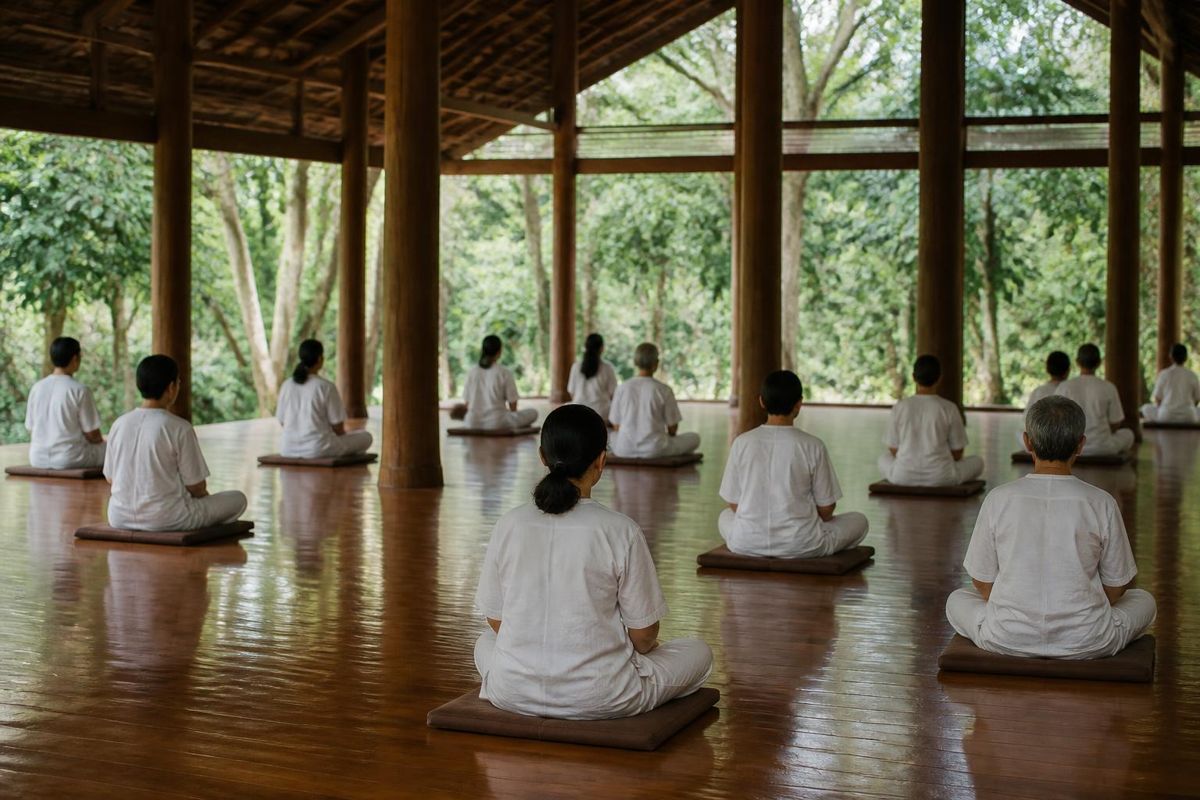
- Silence: no conversation between participants for the whole course, except necessary words with the teacher or staff. Many places also ask you not to make eye contact or gesture.
- Precepts: most ask you to keep the eight precepts, which go beyond the five with full celibacy, no food after midday, no entertainment or adornment, and no high, luxurious seats or beds.
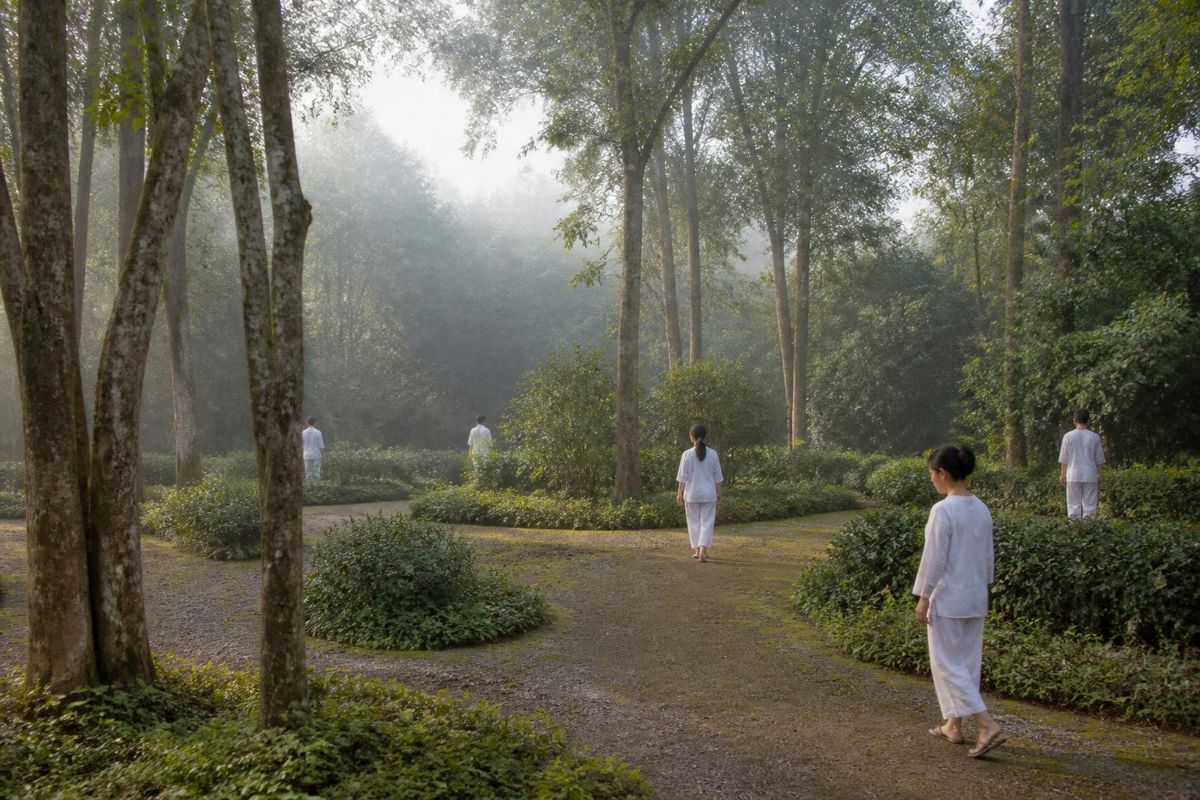
- Walking and sitting: the day alternates walking and sitting periods of roughly thirty minutes to an hour, with mindfulness kept up through every routine: eating, washing, walking to your room.
- Interviews: you meet the teacher regularly, in some places daily, to report what is happening in your practice. The teacher advises and adjusts the method to suit you.
- Food: simple meals, breakfast and lunch only; after midday just water or permitted drinks such as juice without pulp.
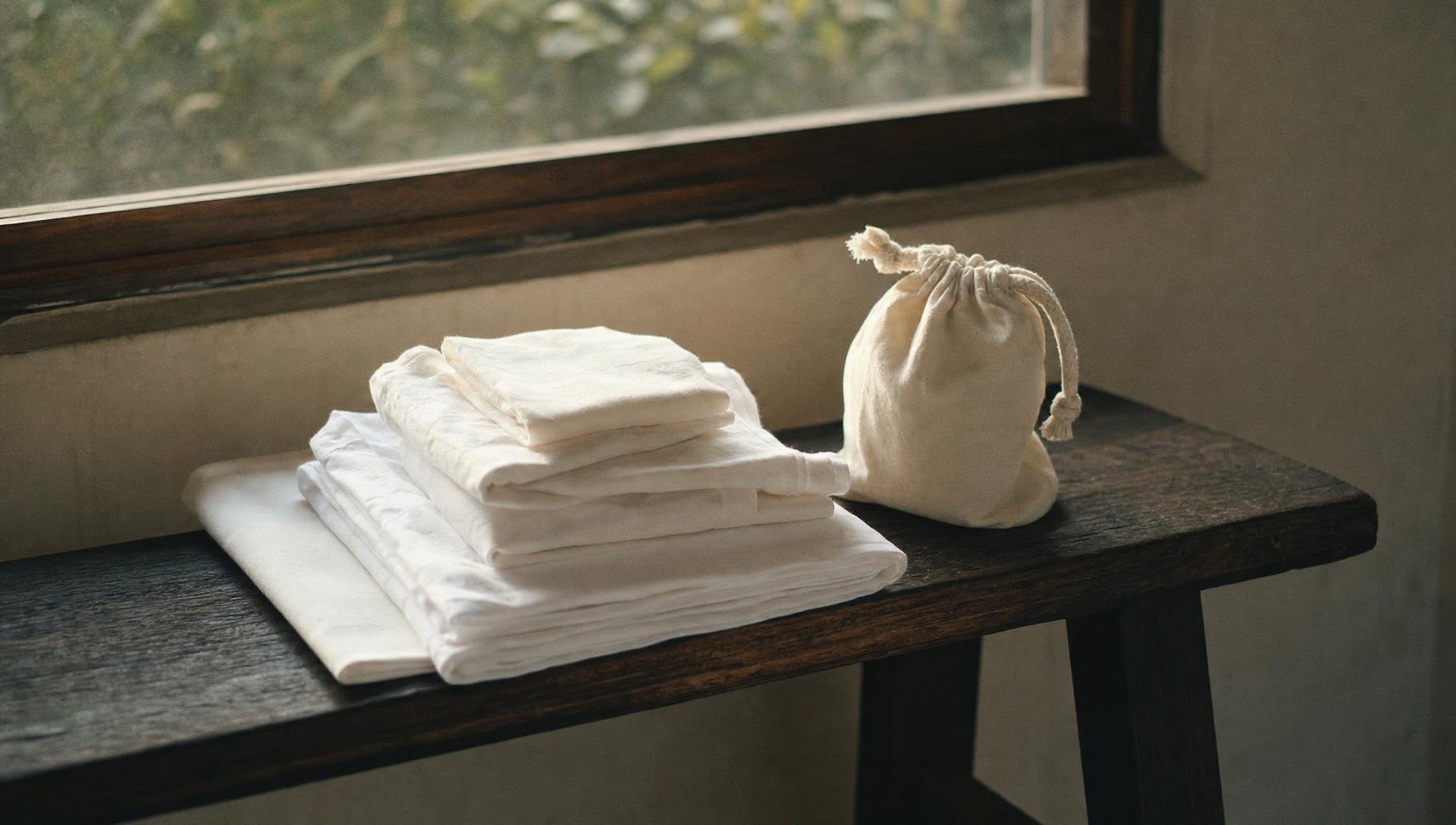
- Clothing: at Thai temples lay practitioners usually wear white; elsewhere modest, loose clothing is the norm. Ask the organiser whether you need to bring your own.
- Phones and books: usually handed in for the whole course.
A typical day
Timetables vary, but a day on a vipassana retreat often looks something like this.
- 4:00 to 4:30: wake up
- Before dawn: morning chanting or the first sitting
- Around 6:30: breakfast, then cleaning your room or a shared space
- Morning: walking and sitting in turns
- Around 11:00: lunch, the last meal of the day
- Afternoon: more walking and sitting; on some days an interview with the teacher
- Evening: chanting, a Dhamma talk or practice instructions
- Around 21:00: sleep
In all, you walk and sit for ten hours a day or more. It sounds like a lot, but with nothing else to do most people settle into it within a few days.
Common formats, including the 10 day vipassana course
- Temple stays of seven days or more: many temples take practitioners for a week or longer, some on fixed dates, some almost any time of year. You follow the temple's rhythm, join morning and evening chanting and report to a monk teacher. Most charge nothing, and you may give what you can.
- The silent 10-day course: several organisations run a 10 day vipassana course on a fixed timetable, where everyone starts and finishes together. Most ask you to stay from the first day to the last, and many charge no fee, running on donations.
- Short courses of one to three days: a way to try continuous practice before committing to something longer.
- Long stays: some places accept practitioners for a month or more, with individual guidance.
This site runs no courses or retreats and is not connected with any temple, centre or organisation that does. This page only describes the common formats.
Whatever you choose, read the organiser's rules, timetable and conditions carefully before you apply. Ask whether there is a teacher to guide you and how often, what method is taught, and whether you may leave early if you need to. If you are looking for a meditation retreat in Thailand, you will find both temple stays and fixed-date silent courses; the same questions apply.
Vipassana rules: what is usually asked
- Keep the precepts the organiser sets, most often the eight precepts.
- No talking, no phone, no reading or writing unless the organiser allows it.
- Do not leave the grounds until the course ends.
- Practise the method the course teaches, without mixing in other techniques.
- Men and women are housed apart, and there is no physical contact.
- Be on time for sessions and interviews.
These rules are not strictness for its own sake. Silence and the removal of distractions mean the mind is not split many ways, so the arising and passing of thoughts and feelings is easier to see on a vipassana retreat than at home.
What to bring
- Loose, plain clothes, or white if required, enough for the course or to wash by hand.
- A shawl or light sweater; halls can be cold before dawn.
- Toiletries, any regular medicine, a torch and an alarm clock that is not your phone.
- A cushion or folded cloth to sit on, if allowed.
- Insect repellent and shoes that slip on and off easily.
- Health information to share with the organiser, such as conditions and medicines.
Before you go, practise at home for a few weeks, following how to do vipassana at home and trying noting meditation. Your body will get used to longer sitting, and you will learn which method suits you.
What can be hard
- Days two and three: often the hardest. The body is not used to it; the back and knees ache, you are sleepy, and the mind keeps going home or to work. Many people want to leave a vipassana retreat at this point. Knowing in advance that it passes makes it easier.
- Pain: it can be an object of noting, but you need not endure it to the point of injury. Change posture mindfully, and tell the teacher if the pain seems unusual.
- Emotions: sadness, anger, old memories or fear may surface after days of silence. Know them gently and talk about them at your interview.
- Sleepiness and restlessness: hindrances that everyone meets, not signs of failure.
- Expectations: arriving sure that seven days must produce something creates tension and comparison. Put the expectation down and take one moment at a time.
Is a retreat right for you?
If you have never sat for more than half an hour at a time, try a short course first, or build a steady home practice. Intensive practice is not a treatment for mental illness; anyone with a history of serious mental illness should talk to a doctor and an experienced teacher before applying, and tell the organiser honestly. During the course, if you feel you cannot cope or cannot sleep for several nights, tell the teacher or staff straight away. Stopping to rest is not failure.
After the vipassana retreat
For the first days at home the mind may be more sensitive than usual to noise, news and people. Ease back into ordinary life and avoid big decisions straight away. Keep a daily home practice, once or twice a day, even if much shorter than on the retreat; it keeps what you learned from fading. Bring knowing of body and mind into routines like eating, walking and working, following the four foundations of mindfulness. Many people return for a vipassana retreat once or twice a year to renew their daily practice.
Based on: Satipaṭṭhāna Sutta (MN 10) · Mahāsatipaṭṭhāna Sutta (DN 22)
Read next
How to do vipassana at home: a step-by-step guide
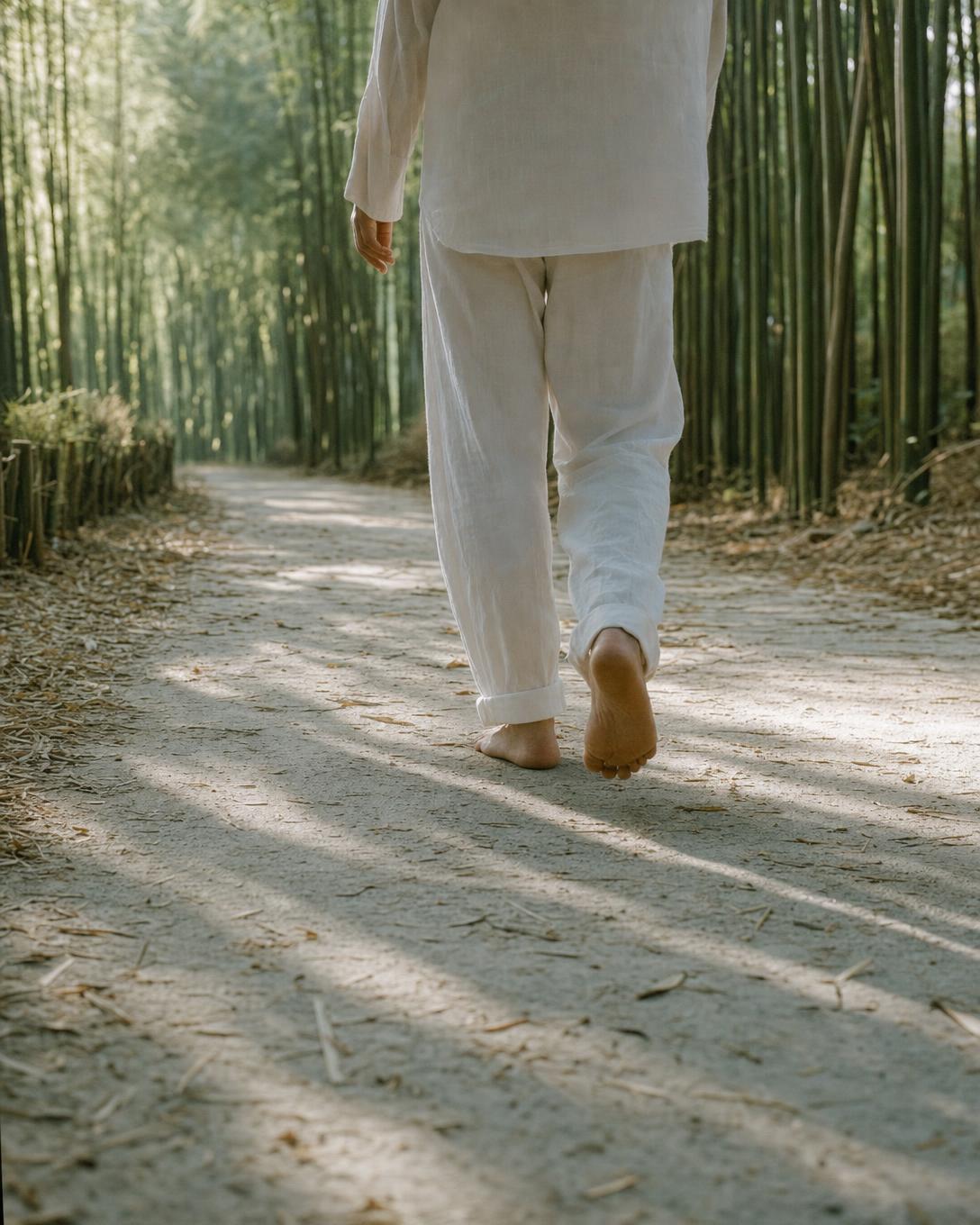
How to do vipassana at home, step by step: preparing, walking, sitting and noting, and a simple plan for your first week.
Four foundations of mindfulness (satipatthana) with examples
The four foundations of mindfulness: every practice in the Satipatthana Sutta, the refrain that runs through them, and everyday examples of each.
Satipatthana Sutta (MN 10): guide and translation
The Satipatthana Sutta (MN 10) is the Buddha's teaching on the four foundations of mindfulness: a short guide to the text, then the full translation